Supplements and medicines: how to check for interactions
Supplements and medicines can affect each other, because both are taken in by the same body and processed by the same organs. The practical answer is easy: keep one up-to-date list of everything you take, show it to your pharmacist or GP before you start something new, and bring the pack and its ingredient list with you.

Key takeaways
- Interactions happen when two substances change how the body absorbs, uses or clears each other.
- Herbs, high-dose vitamins and plant extracts can interact with medicines just as other medicines can.
- Your pharmacist is the quickest, free-to-ask source of advice; take the pack and ingredient list along.
- Timing of doses, surgery, pregnancy, breastfeeding and children all call for an extra question.
- Never stop a prescribed medicine on your own; talk to your doctor first.
Why do supplements and medicines interact?
An interaction happens when one substance changes how another is absorbed, used or cleared by the body. It might make a medicine stronger, weaker or shorter-lasting, or it might add to its effect.
Plant extracts, vitamins and minerals are active substances too. That is why a food supplement counts when you tell a health professional what you take, even if it came from a shelf, a friend or an online order.
What are some common examples of interactions?
The examples below are general, and they are listed to show why asking matters. They are not a complete list, and whether something applies to you depends on your medicine, your dose and your health.
Because details vary, the right move is always to ask your pharmacist about your specific combination.
| Supplement or herb | Medicine group to ask about | Why people ask |
|---|---|---|
| Garlic, ginkgo, ginger and fish oil in larger amounts | Blood thinners such as warfarin | These can affect how blood clots, so doses may need a doctor's input |
| Siberian ginseng, fenugreek and some plant extracts | Blood-sugar medicines and insulin | They may influence blood-sugar levels, so monitoring and advice matter |
| Siberian ginseng and some herbs | Blood-pressure medicines | They may add to or change the effect of the tablets |
| St John's wort | A wide range, including contraceptives, antidepressants and heart medicines | It can change how the body clears many medicines |
| High-dose biotin | Certain laboratory blood tests | It can affect some test results, so tell the lab or your doctor before a test |
| Calcium, iron, magnesium and zinc | Some antibiotics and thyroid tablets | Minerals can reduce absorption when taken at the same time |
| Vitamin K-rich supplements | Warfarin | Vitamin K plays a role in clotting, so steady intake matters |
How do I ask my pharmacist about an interaction?
Pharmacists are trained to answer exactly this question, and most are glad to be asked. Walk up to the counter, say that you would like to check a supplement against your medicines, and hand over your list.
Be specific. Instead of asking if something is safe, ask whether it is suitable alongside the named medicines you take, and whether anything about the timing of doses matters.
- Which of my medicines might this supplement affect?
- Is there a time of day that works best for each?
- Should I watch for any changes, and what would they look like?
- Does anything on this ingredient list need extra care with my condition?
- When should I see my GP instead?
What should I bring to a pharmacy or GP visit?
Bring the pack itself or a clear photo of the front and the ingredient panel. The label shows the ingredients, the amount per dose and the directions, which is what a professional needs.
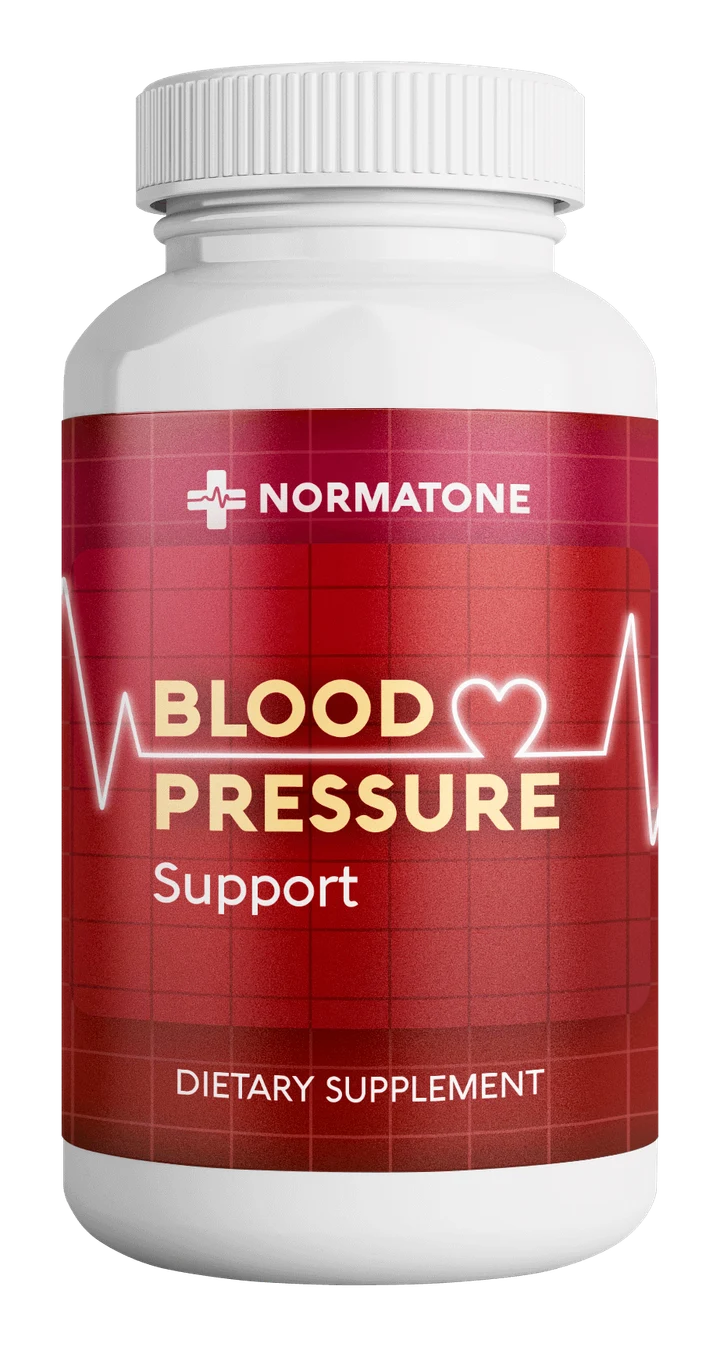
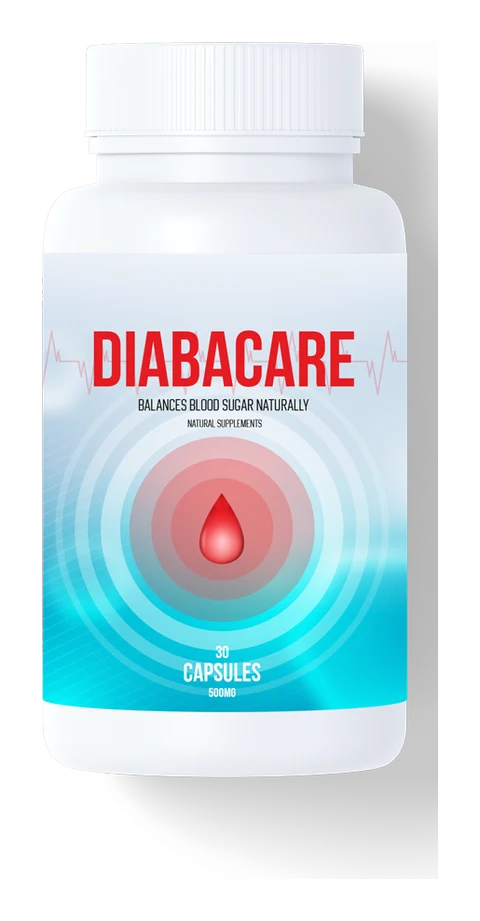
For products like Cordis, Diabacare or Normatone, the pack carries the full list with amounts. Having it in your hand removes guesswork and saves time at the counter.
- The supplement pack, or a photo of the ingredient list and directions.
- Your list of prescription and over-the-counter medicines.
- Any vitamins, teas, herbs or traditional remedies you use.
- Your health conditions, allergies and any recent changes.
- Details of upcoming tests, procedures or planned pregnancy.
Why should I keep a written list of everything I take?
A written list is the simplest safety tool you own. It stops you from forgetting the vitamin you started months ago or the herbal tea you drink every evening.
Keep it on your phone or in your wallet. Write each item, the dose, when you take it and why, and update it whenever something changes. Show it to every health professional you see, including at a clinic, a hospital or an emergency room.
Does the timing of doses matter?
Sometimes. Certain minerals can reduce how well some medicines are absorbed when taken together, and some products work best with a meal. The pack directions and your pharmacist can tell you which applies.
A common approach is to space products apart rather than taking everything at once, and to attach each one to a fixed moment in your day. Whatever you decide, keep it steady, and follow the directions on the pack without exceeding the dose.
What about surgery, pregnancy, breastfeeding and children?
These situations deserve an extra conversation before any supplement. Before surgery or a dental procedure, tell the surgical team about everything you take, because some herbs and high-dose products may need to be paused for a time. Your doctor decides and tells you when.
If you are pregnant, breastfeeding or planning a pregnancy, speak to your GP or clinic nurse before using a new supplement. Children have different needs and doses, so never share an adult's supplement with a child; ask a clinic nurse, GP or pharmacist first.
How can the label help me avoid doubling up?
Many products contain the same nutrients, so two supplements can quietly add up to more than you intended. Vitamin D, zinc, biotin and vitamin C appear in a surprising number of formulas, from hair capsules to multivitamins.
Read the ingredient list and the amount per dose on each pack, and compare. Our guide to reading a supplement label walks you through it step by step.
How does this apply to the products on our shelf?
Each product page lists a short set of questions to ask first. For example, Cordis contains garlic and European cranberrybush, so people on blood thinners should check with a pharmacist. Diabacare is a plant-extract formula for blood-sugar balance, so anyone on blood-sugar medicine should ask before starting. Normatone contains vitamin C and vitamin P and is aimed at blood-pressure support, so people on blood-pressure tablets should mention it to their doctor.
In every case, keep taking what your doctor has prescribed. A food supplement is something you add to a healthy routine, never something you swap in for your medicine.
Frequently asked questions
Can I take vitamins and supplements with prescription medicine?
Often yes, but it depends on the specific medicine and supplement. Ask your pharmacist before you start, and give them your full list.
Which supplements interact with blood thinners?
Garlic, ginkgo, ginger, fish oil in larger amounts and vitamin K-rich products are commonly mentioned. If you take warfarin or a similar medicine, speak to your doctor or pharmacist before any new supplement.
Do herbal supplements affect blood-sugar medicines?
Some plant extracts, such as Siberian ginseng and fenugreek, are commonly discussed in relation to blood sugar. Ask your pharmacist if you take blood-sugar medicine or insulin.
Can biotin affect my blood test results?
High-dose biotin can interfere with some laboratory tests. Tell your doctor and the lab that you take it before any blood test, and ask whether to pause it first.
Is St John's wort safe with other medicines?
St John's wort can change how the body handles many medicines, including contraceptives and antidepressants. Speak to a pharmacist or doctor before taking it with anything else.
Should I tell my doctor about supplements before surgery?
Yes. Tell the surgical and anaesthetic team about every supplement, herb and vitamin you take, and follow their advice on whether to pause any before the procedure.
Can I give my child an adult supplement?
No. Doses and ingredient suitability differ for children, so ask a clinic nurse, GP or pharmacist before giving any supplement to a child.
Should I stop my medicine if I start a supplement?
Never stop a prescribed medicine on your own. A supplement does not replace your medicine, and any change to your treatment plan should come from your doctor.