Garlic for blood pressure: how people use it and what to know
Garlic has been used in kitchens and traditional routines for centuries, and it remains one of the most popular ingredients people turn to when they want to support healthy circulation. This guide explains what garlic and allicin are, the ways people take it, and the cautions worth knowing if you use blood thinners or have surgery planned.
Key takeaways
- Garlic is traditionally linked with healthy circulation and the care of vessel walls.
- Allicin is a sulphur compound that forms when raw garlic is crushed or chopped.
- People take garlic fresh in food, as aged extract or in capsules, and each form has its own character.
- Tell your GP or pharmacist about garlic supplements if you take blood thinners or have surgery planned.
- Garlic fits alongside, never instead of, prescribed blood pressure medicine.
Why do people use garlic as part of a blood pressure routine?
Garlic has a long tradition in many cultures as a food that supports a healthy heart and healthy circulation. Cooks have used it for flavour for thousands of years, and home remedies built around it are passed down in families from Cape Town to Mumbai to Lisbon.
Today garlic shows up in two places: in the pot and in the supplement aisle. Many people who want to support healthy blood pressure start with the kitchen version, then explore concentrated forms later.
Garlic is best seen as one helpful element in a wider routine of less salt, more movement, good sleep and regular checks. It sits alongside any medicine your GP has prescribed and never in its place.
What is allicin and why does everyone talk about it?
Allicin is the sulphur compound behind garlic's sharp smell and bite. It does not sit ready-made in a whole clove. It forms when the clove is crushed, chopped or chewed and two compounds inside meet.
Heat and time change it quickly, which is one reason why raw, freshly crushed garlic tastes so different from roasted garlic. Garlic products vary in how they preserve or replace these sulphur compounds, depending on how they are prepared.
Garlic also contains other substances, including sulphur-containing compounds that develop as it ages, along with small amounts of vitamins and minerals. This is why the label of a garlic supplement is worth reading closely, which our guide on how to read a supplement label explains.
In what forms can I take garlic?
Garlic comes in four common forms. Which one suits you comes down to taste, convenience and how your stomach feels about it.
Fresh garlic is the simplest. Crushing it and letting it stand for a few minutes before cooking is a habit many cooks use. Aged garlic extract is made by ageing sliced garlic for an extended period, and it has a milder smell. Garlic powder and oil capsules offer convenience when you do not want the taste or the breath.
| Form | How it is used | Good to know |
|---|---|---|
| Fresh cloves | Crushed or chopped into stews, dressings, marinades | Strong flavour and breath; heat changes it quickly |
| Aged garlic extract | Liquid or capsules | Milder smell; check the label for the type of extract |
| Garlic powder | Tablets or capsules | Convenient; look for the amount and the form on the pack |
| Garlic oil | Soft capsules | Easy to swallow; amounts vary between products |
How can I add more garlic to everyday meals?
Garlic suits South African cooking well. Crush a clove or two into a tomato-and-onion base, a chakalaka, a bean stew, a curry or a braai marinade. A garlic-and-lemon dressing on a salad also works nicely.
Garlic can replace salty seasoning too. When you use it generously, you often need less stock cube or salt to make a dish taste satisfying, which helps with your salt reduction at the same time.
Let chopped garlic rest for a few minutes before it goes into a hot pan, and add it near the end of cooking if you want a stronger flavour.
Who should be careful with garlic supplements?
Garlic in normal food amounts is fine for most people. Concentrated garlic supplements deserve a little more thought, because garlic can influence how blood clots.
Talk to your GP or pharmacist before using a garlic supplement if any of these apply to you:
- You take blood thinners such as warfarin or other anticoagulant or anti-platelet medicines
- You have an operation or dental procedure planned, since your surgeon may want to know about garlic supplements beforehand
- You take medicine for HIV or for other long-term conditions, because some supplements can interact with them
- You are pregnant or breastfeeding
- You take blood pressure tablets and want to add a supplement to your routine
- You have a sensitive stomach, since garlic can cause heartburn or a warm, unsettled feeling in some people
List every supplement and traditional remedy you use whenever you get a new prescription or plan an operation. It takes a minute and keeps your care safe.
How do I choose a garlic supplement?
Start with the label. Look for the form of garlic, the amount per capsule and the serving size. A pack that spells these out clearly makes it easy to compare.
Check for other ingredients too, and for any allergen information. Follow the directions on the pack, take it with a meal and a glass of water if your stomach is sensitive, and keep all your other medicines exactly as prescribed.
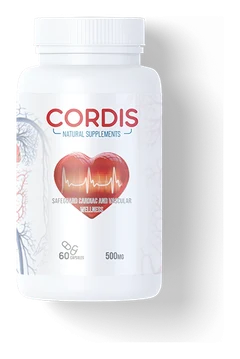
One example is Cordis, a capsule supplement that pairs garlic with European cranberrybush. The Cordis page has the full details, price and ordering steps. Whichever product you choose, speak to your GP or pharmacist first if you take any regular medicine.
What else supports healthy blood pressure alongside garlic?
The basics carry the most weight: less salt, regular movement, a healthy weight, limited alcohol, good sleep and a calm routine. Garlic can be one tasty part of that picture.
Keep measuring your blood pressure at home or at a pharmacy station, and share your log with your GP. Our guide on how to lower blood pressure naturally goes through each of these habits step by step.
Never stop prescribed medicine because you have started a garlic routine. They work side by side.
Frequently asked questions
How much garlic should I eat a day?
Using a clove or two in your cooking is a common and comfortable amount for most people. For a garlic supplement, follow the directions printed on the pack and ask your GP or pharmacist if you are unsure.
Is raw garlic better than cooked garlic?
Raw, freshly crushed garlic has the strongest allicin character, while cooking changes it. Crushing garlic and letting it stand a few minutes before cooking is a simple way to keep more of its character. Both forms add flavour to your meals.
Can I take garlic capsules with blood pressure tablets?
Speak to your GP or pharmacist first. They know your medicines and can tell you whether a garlic supplement suits your routine. Keep taking prescribed tablets exactly as directed.
Does garlic interact with blood thinners?
Garlic can influence how blood clots, so people on blood thinners should speak to their GP or pharmacist before using garlic supplements. The same goes before an operation or dental procedure.
What is the difference between aged garlic and raw garlic?
Aged garlic extract is made by ageing sliced garlic over a long period. It has a milder smell and taste than raw garlic. The pack should say which type of garlic extract is used and in what amount.
Can garlic cause bad breath or heartburn?
In some people, yes. Taking garlic with a meal, choosing a milder form such as aged extract, or reducing the amount can help. If discomfort continues, speak to your pharmacist.