Zinc: what it is, where it comes from and what it contributes to
Zinc is an essential trace mineral: the body needs a small amount every day and cannot store much of it. It contributes to the maintenance of normal hair, skin and nails, and to the normal function of the immune system. You find it in red meat, seeds, nuts and legumes.
Key takeaways
- Zinc is a trace mineral your body needs from food or supplements every day.
- It contributes to the maintenance of normal hair, skin and nails and to normal immune function.
- Red meat, pumpkin seeds, nuts and beans are everyday South African sources.
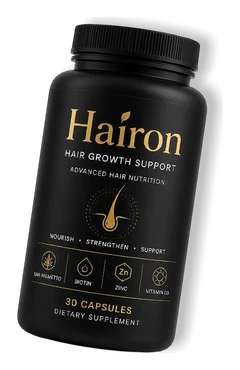
- Hairon lists zinc among its confirmed ingredients; the pack shows the amount.
- Ask a pharmacist first if you take other mineral supplements or antibiotics.
What is zinc?
Zinc is a metal that the human body uses in tiny quantities. Nutrition scientists call it a trace mineral, because the daily requirement is measured in milligrams rather than grams. Small as the amount is, zinc takes part in hundreds of everyday reactions inside your cells.
Your body has no large zinc store to draw on. That is why a steady supply from food matters more than an occasional big dose. A varied diet that includes meat, dairy, seeds or legumes usually supplies it.
On a supplement label you will see zinc written as a salt, such as zinc gluconate, zinc citrate or zinc oxide. The mineral part is the same; the salt simply carries it in a form that dissolves well in capsules and tablets.
What does zinc contribute to in the body?
Nutrient wording that is widely used in South Africa and Europe says that zinc contributes to the maintenance of normal hair, skin and nails. The same wording says it contributes to the normal function of the immune system and to normal protein synthesis.
Zinc also contributes to normal cell division, to normal DNA synthesis and to the maintenance of normal vision. For men, it contributes to normal fertility and to the maintenance of normal testosterone levels in the blood.
- Maintenance of normal hair, skin and nails
- Normal function of the immune system
- Normal protein and DNA synthesis
- Normal cell division
- Maintenance of normal vision
- Normal fertility and reproduction
Hair is built from protein and grows from fast-dividing cells in the follicle. Zinc contributes to both of those normal processes, which is why it appears so often in hair-nutrition formulas.
Which foods are good sources of zinc?
Red meat is the richest everyday source, so a Sunday braai with beef or lamb helps. Biltong counts too. Shellfish such as oysters hold a lot, though they are not on most weekly shopping lists.
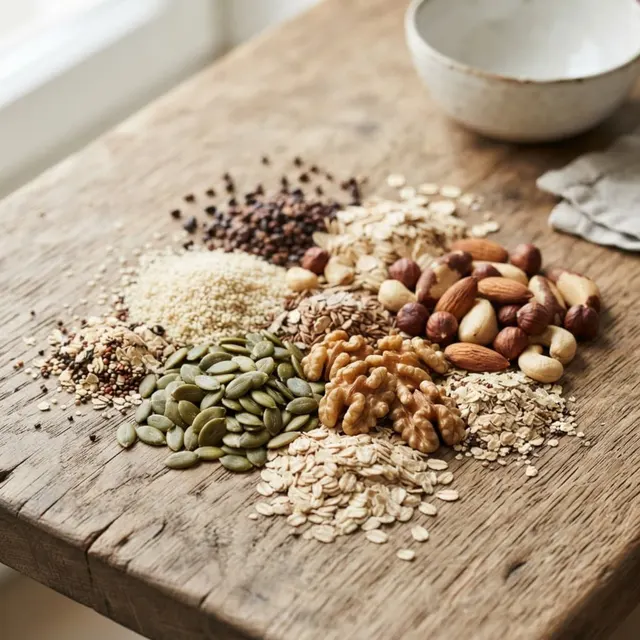
If you eat little meat, look to plant foods. Pumpkin seeds, cashews, peanuts, chickpeas, lentils and dry beans all supply zinc. Wholegrain bread, samp and oats add a little more. Plant foods contain compounds that slightly reduce how much zinc the gut absorbs, so vegetarians often need to eat a bit more of them.
| Food group | Everyday examples |
|---|---|
| Meat | Beef, lamb, biltong, chicken thigh |
| Seeds and nuts | Pumpkin seeds, sesame, cashews, peanuts |
| Legumes | Chickpeas, lentils, sugar beans |
| Dairy and eggs | Cheese, milk, eggs |
| Grains | Oats, wholewheat bread, samp |
How does zinc show up in the products on Mzansi Hub?
Zinc is one of the named ingredients on the Hairon pack, next to saw palmetto, biotin and vitamin D3. The seller describes Hairon as a daily hair-nutrition capsule for men and women. The pack shows the amount of zinc in each capsule, and the call-centre adviser can read it out when you order.
We list zinc here so you can see what the word on the label stands for, not to tell you what to buy.
Who should check with a GP or pharmacist before taking zinc?
Zinc is safe in normal food amounts, and the body is not designed for very high intakes. Supplements stack up with multivitamins, so add up everything you take. Do not go above the amount printed on a pack.
Please ask your pharmacist or GP first if you take antibiotics, because zinc can bind to some of them. Ask as well if you take another mineral supplement, such as iron or copper, if you have a kidney condition, or if you are pregnant or breastfeeding.
- You take antibiotics or other long-term medicines
- You already take a multivitamin with minerals
- You are pregnant, planning a baby or breastfeeding
- You have a kidney or digestive condition
Frequently asked questions
What does zinc do for your body?
Zinc contributes to the normal function of the immune system and to the maintenance of normal hair, skin and nails. It also contributes to normal protein and DNA synthesis. It is an essential mineral, so you need a regular supply from food.
Which foods have the most zinc?
Red meat, oysters, pumpkin seeds and cashew nuts are among the richest sources. Chickpeas, lentils, beans, cheese and eggs also help. A varied plate across the week covers most people's needs.
Can I take zinc every day?
Many adults take zinc daily in the amount printed on the pack. Do not exceed that amount, and count any zinc in a multivitamin. If you take other medicines, ask a pharmacist first.
What is the best time of day to take a zinc capsule?
Taking zinc after a meal with a glass of water is gentler on the stomach. Hairon's directions are one capsule a day after a meal with water. Always follow the directions on the pack you hold.
Is zinc the same as zinc oxide in sunscreen?
The element is the same, but the use differs. Zinc oxide in sunscreen sits on the skin as a physical filter, while the zinc in a capsule is a nutrient absorbed through the gut.