Vitamin D3 in South Africa: sunlight, food and normal function
Vitamin D3 (cholecalciferol) is the form of vitamin D that your skin makes in sunlight. It contributes to the maintenance of normal bones, teeth and muscle function and to the normal function of the immune system. Food supplies only a modest share.
Key takeaways
- Vitamin D3 is made in the skin with sunlight and also comes from a few foods and supplements.
- It contributes to normal bones, teeth, muscle function and immune function.
- Winter, office life and deeper skin tones all change how much your skin makes.
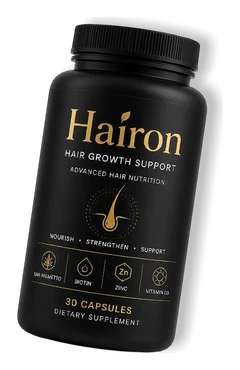
- Hairon lists vitamin D3 on its pack alongside saw palmetto, biotin and zinc.
- Ask a GP before taking it if you have kidney problems or high calcium.

What is vitamin D3, and how is it different from D2?
Vitamin D comes in two main forms. Vitamin D2 (ergocalciferol) comes from plants and fungi, and vitamin D3 (cholecalciferol) comes from animals and from your own skin. Most supplements use D3.
Your skin makes D3 when ultraviolet B light from the sun reaches it. The liver and kidneys then convert it into the active form the body uses. Because the sun does most of the work, many people call it the sunshine vitamin.
What does vitamin D3 contribute to?
Authorised-style nutrient wording says vitamin D contributes to the normal absorption and utilisation of calcium and phosphorus. It contributes to the maintenance of normal bones and teeth, normal muscle function and the normal function of the immune system.
It also contributes to normal blood levels of calcium and to the process of cell division. None of this is a promise about a particular result for you. It describes the normal jobs the vitamin does in the body.
- Normal absorption and use of calcium and phosphorus
- Maintenance of normal bones and teeth
- Normal muscle function
- Normal function of the immune system
Does South Africa's sunshine give everyone enough vitamin D?
Sunshine is generous here, yet it does not reach every person equally. In winter the sun sits lower, especially in Cape Town and on the Highveld, and the light that reaches your skin is weaker. Short days and cold weather also mean we cover up.
Daily life matters as much as the season. If you leave for work in the dark, sit in an office all day and drive home after sunset, your skin gets very little midday light. Sunscreen, which protects against skin damage, also reduces vitamin D production.
Skin tone plays a part too. Melanin, the pigment that gives deeper skin its colour, acts as a natural sunscreen. People with deeper skin tones usually need longer in the sun to make the same amount as someone with fair skin. This is simply how skin works, and it is one reason a GP may look at vitamin D when asked.
Which foods contain vitamin D?
Few foods carry much vitamin D. Oily fish is the best natural source, and tinned pilchards and sardines are an affordable South African choice. Egg yolks add a little. Some margarines and cereals are fortified, so check the label.
Because food alone rarely covers the whole need, people lean on sunlight, and some choose a supplement in the colder months.
Where does vitamin D3 appear among Mzansi Hub products?
Vitamin D3 is one of the four ingredients printed on the front of the Hairon pack, together with saw palmetto, biotin and zinc. The seller presents Hairon as a daily capsule for men and women who want to nourish their hair routine. The amount per capsule is on the pack, and the adviser reads it out during the order call.
Who should speak to a GP or pharmacist before taking vitamin D3?
Vitamin D is fat-soluble, which means the body stores surplus rather than flushing it out. That makes it sensible to stay within the amount on the pack and to count any D in a multivitamin.
Talk to your GP or pharmacist first if you have a kidney condition, high calcium levels, sarcoidosis or a parathyroid problem. Mention it as well if you take heart medicines such as thiazide diuretics, or if you are pregnant or breastfeeding.
Frequently asked questions
How much sun does my skin need to make vitamin D?
There is no single figure, because it depends on the season, time of day, latitude, skin tone and how much skin is uncovered. Brief midday sun on arms and legs is the usual pattern. Avoid burning, and ask a GP if you are unsure.
Is vitamin D3 better than vitamin D2?
Both forms contribute to the same normal functions. D3 is the form skin makes naturally and is the one most supplements use, including the Hairon capsule.
Can I get enough vitamin D from food alone?
Few foods hold much of it, so most people rely on sunlight as well. Tinned pilchards, oily fish and egg yolks help. Fortified margarine and cereals add some.
Do I need vitamin D3 in a South African summer?
Many people make enough during summer outdoor time, while winter and indoor work lower the amount. Your needs are individual. A GP can advise whether a supplement suits you.
Can vitamin D3 interact with medicines?
It can, for example with some diuretics, steroids and weight-loss medicines. If you take any long-term medicine, ask your pharmacist before adding a supplement.