European cranberrybush (Viburnum opulus): what it is and how it is used
European cranberrybush, Viburnum opulus, is a shrub whose bright red berries are rich in antioxidant plant compounds such as catechins. It is a different plant from the cranberry sold in supermarkets. On Mzansi Hub it appears in Cordis, a heart and vascular supplement.
Key takeaways
- European cranberrybush is a flowering shrub with red berries, Latin name Viburnum opulus.
- It is not the same plant as the cranberry found in shops.
- Its berries are rich in antioxidant plant compounds such as catechins.
- It appears in Cordis alongside garlic.
- Ask your GP or pharmacist first if you take daily medicine.
What is European cranberrybush?
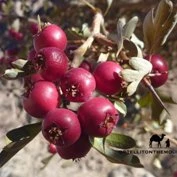
European cranberrybush is a deciduous shrub that grows in cool regions of Europe and parts of Asia and North America. Its Latin name is Viburnum opulus. In spring it carries clusters of white flowers, and in autumn it produces glossy red berries that hang on the branches into winter.
It is also called guelder rose, which is the name gardeners often use because of its rounded white flower heads. The berries have a tart flavour and have been used in teas, jams and traditional recipes in several countries.
Is it the same as the cranberry sold in shops?
No. The cranberry in juice and dried fruit packs comes from a low-growing plant in a different family. European cranberrybush is a taller shrub belonging to the Viburnum group. The names sound similar and the berries are both red, which is why people sometimes mix them up.
When you read the Latin name Viburnum opulus on a pack or a product page, you know exactly which plant is meant.
What do the berries contain?
The berries are rich in antioxidant plant compounds, including catechins. Catechins are polyphenols also found in tea and some fruit. Plant compounds of this kind are a big reason why berries feature in so many wellness traditions.
We describe European cranberrybush by its traditional use and its plant content only. It is a plant ingredient, not a medicine, and a supplement containing it supports a healthy lifestyle.
- Catechins and other polyphenols
- Vitamin C naturally present in the berries
- Plant acids that give the berries their tart flavour
Which Mzansi Hub products contain it?
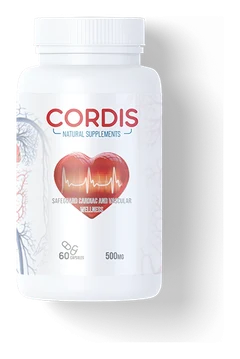
European cranberrybush is one of two named ingredients in Cordis, a 60-capsule pack of 500 mg capsules priced at R649. Cordis is labelled Natural supplements for cardiac and vascular wellness. The seller describes it as support for normal blood pressure, heart muscle and vessel walls, plus general immune support.
The second named ingredient is garlic, traditionally linked with healthy circulation and vessel walls. The pack lists the full composition with amounts.
Visit the Cordis product page for the order details, the FAQ and customer opinions.
How do I use it with care?
Follow the directions on the pack and take your capsules with water. Keep your usual routine of balanced food, movement and regular blood-pressure checks.
Speak to your GP or pharmacist first if you take blood-pressure tablets, blood thinners or other daily medicine, if you are pregnant or breastfeeding, or if you have an operation planned. Never stop or change prescribed tablets because you started a supplement.
Frequently asked questions
What is European cranberrybush?
It is a shrub called Viburnum opulus, also known as guelder rose. In autumn it carries red berries that are rich in antioxidant plant compounds such as catechins.
Is it the same as a cranberry?
No. The cranberry sold in juice and dried fruit is a different plant. European cranberrybush is a taller shrub in the Viburnum group.
What are catechins?
Catechins are antioxidant plant compounds found in tea, some fruit and the berries of European cranberrybush. They are part of the reason berries feature in many food traditions.
Which Mzansi Hub product contains it?
Cordis, a heart and vascular supplement priced at R649 for 60 capsules of 500 mg, lists European cranberrybush alongside garlic.
Can I take it with my medicine?
Speak to your GP or pharmacist first, especially if you take blood-pressure tablets or blood thinners. They can advise on your own situation.