Vitamin D in South Africa: sun, skin, food and supplements
Vitamin D contributes to the maintenance of normal bones, teeth and muscle function and to the normal function of the immune system, and your skin makes it when it meets sunlight. South Africa is a sunny country, yet plenty of people spend their days indoors, cover up or live through short winter days, so it is still worth knowing where your vitamin D comes from and when to ask a GP.
Key takeaways
- Vitamin D contributes to the maintenance of normal bones, teeth, muscle function and immune function.
- Skin makes vitamin D from sunlight, but how much depends on season, time of day, skin tone, clothing and time outdoors.
- Food sources include oily fish, eggs and fortified products, and they usually cover only part of what many people need.
- A blood test through your GP shows your level, and the GP interprets it.
- Follow the dose on the pack and do not exceed it.
What does vitamin D do in the body?
Vitamin D is a fat-soluble vitamin that works a bit like a hormone in the body. It contributes to the normal absorption and utilisation of calcium and phosphorus, to the maintenance of normal blood calcium levels, and to the maintenance of normal bones, teeth and muscle function.
It also contributes to the normal function of the immune system. That wide range of jobs is the reason vitamin D features in so many health conversations, from childhood nutrition to healthy ageing.
How does sunlight give me vitamin D?
When ultraviolet B light from the sun reaches bare skin, the skin converts a compound into vitamin D3. The amount you make depends on how strong the sun is, how long you are outside, how much skin is uncovered and how old you are.
In South Africa the sun is strong for much of the year, but it is not equally useful at all times. Early morning and late afternoon light is weaker, and the sun behaves differently in Cape Town in July than it does in Mbombela in January.
Does skin tone change how much vitamin D I make?
Melanin, the pigment that gives skin its colour, also acts as a natural sunscreen. People with darker skin generally need more time in the sun to make the same amount of vitamin D as people with lighter skin, and that is a normal part of human variety, not a flaw.
It does not mean that anyone should skip sun protection or stay out for hours. Sensible sun habits, such as shade at midday, a hat and sunscreen for long days outdoors, still apply to every skin tone, and food and testing can fill in the rest.
Do winter and indoor lifestyles lower vitamin D?
They can. In winter, especially on the Highveld and in the Western Cape, days are shorter, the sun sits lower and people wear more layers. Many South Africans also spend their working days in offices, taxis, classrooms or at home, so the amount of daylight on bare skin shrinks.
A short walk outdoors at lunchtime, weekend time outside and opening the curtains to daylight all help. People who work night shifts or who cover most of their skin for cultural, religious or health reasons may get less sunlight and may wish to ask their GP about their levels.
Which foods contain vitamin D?
Few foods are naturally rich in vitamin D, which is why sunlight matters so much. The best sources are oily fish and a handful of other foods.
Some products are fortified, so check the label to see what has been added. For most people food contributes a portion of their vitamin D, and sunlight or a supplement covers the rest.
- Oily fish such as pilchards, sardines, salmon and mackerel.
- Eggs, particularly the yolk.
- Liver, in small amounts.
- Fortified foods, which may include some margarines, milks and breakfast cereals.
- Mushrooms exposed to sunlight, in smaller amounts.
How do I find out my vitamin D level?
A blood test arranged by your GP measures vitamin D in the blood. It is useful if you have limited sun exposure, a medical condition that affects absorption, bone concerns or a family history that worries you.
The doctor reads the result in the context of your age, health and medicines, and advises what to do next. Check whether your medical aid plan covers the test before you go.
What forms of vitamin D supplements are available?
Supplements come as capsules, tablets, drops and sprays. The two main forms are vitamin D2 and vitamin D3, and D3 is the form that skin makes naturally.
Vitamin D is fat-soluble, so it is usually taken with a meal that contains some fat. Read the label for the amount per dose, often given in micrograms, and the directions for how often to take it.
| Format | What to know |
|---|---|
| Capsules and tablets | Convenient and widely available; take with a meal |
| Drops | Often used for babies, children and adults who dislike swallowing capsules; follow the dosing instructions carefully |
| Sprays | A different format with the same need to check the amount per dose |
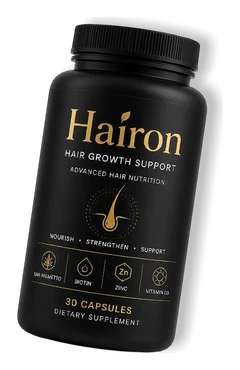
| Multi-nutrient formulas | Vitamin D3 appears in some, such as Hairon, a hair-support capsule with biotin, zinc, saw palmetto, vitamin E and folic acid |
Can I take too much vitamin D?
Yes, and more is not better. Because vitamin D is stored in the body, taking far more than recommended over a long period can raise calcium levels in the blood, a condition called hypercalcaemia, which needs medical attention.
Follow the dose on the pack, do not combine several products that contain vitamin D without checking with your pharmacist, and keep supplements away from children. If you have kidney problems, a calcium-related condition or take regular medicines, speak to your GP before starting.
Who is more likely to need advice about vitamin D?
Some groups tend to spend less time in sunlight or make less vitamin D from it, so a conversation with a GP or pharmacist is worthwhile. That does not mean they are in trouble, only that a check can give clarity.
Pregnant and breastfeeding women, and anyone planning a pregnancy, should always ask before starting a new supplement.
- Older adults, whose skin makes less vitamin D from the same sunlight.
- People who cover most of their skin when outdoors.
- People who spend most of the day indoors, including shift workers and people who are less mobile.
- People with darker skin who have limited time outdoors, especially in winter.
- Anyone with a condition that affects fat or nutrient absorption.
Frequently asked questions
Do South Africans need vitamin D supplements?
Not everyone does. Many people make enough from sunlight and food, while others, such as older adults or those with little time outdoors, may benefit from advice. A GP can check your level with a blood test.
What is the best time of day to get vitamin D from the sun?
Midday has the strongest ultraviolet light, but it also carries the highest sunburn risk. Short, sensible outdoor time on bare skin combined with sun protection for long days is the safer approach.
How much vitamin D should I take?
The amount depends on your age, health and diet, and your GP or pharmacist can guide you. Follow the dose printed on the pack and never exceed it.
Is vitamin D3 better than D2?
D3 is the form your skin makes naturally and is common in supplements. Both are used, and your pharmacist can explain the difference for your situation.
Does vitamin D help with hair?
Vitamin D contributes to the normal function of the immune system and is included in some hair-support formulas, such as Hairon. Hair also depends on protein, iron, zinc and gentle care.
Should I take vitamin D with food?
Vitamin D is fat-soluble, so many people take it with a meal that contains some fat. Check the directions on your product.
Can children take vitamin D?
Children have their own recommended amounts, and drops are often used for young children. Ask a clinic nurse, GP or pharmacist before giving any supplement to a child.