Insulin resistance symptoms: signs, causes and what to do
Insulin resistance means your cells respond less well to insulin, so your body has to make more of it to keep blood sugar steady. It often causes no obvious symptoms, but signs such as extra weight around the waist, darkened skin folds and energy dips after meals can hint at it.
Key takeaways
- Insulin resistance often develops quietly, years before blood sugar rises.
- Weight around the middle and darker skin folds are signs doctors look for.
- Movement, sleep, fibre and sensible portions all help your body respond to insulin.
- Your GP can check blood sugar, HbA1c and related markers.
- Lifestyle changes started early can make a real difference.
What is insulin resistance?
Insulin is the hormone that helps sugar move from your blood into your cells, where it is used for energy. In insulin resistance, the cells listen less closely, so the pancreas produces extra insulin to get the same job done.
For a while this works, and blood sugar stays in the normal range. Over time the pancreas can struggle to keep up, and blood sugar starts to creep upward into the pre-diabetes range and beyond.
What are the signs of insulin resistance?
Insulin resistance rarely announces itself. Doctors usually spot it through a combination of physical signs and test results rather than a single symptom.
The list below covers the signs mentioned most often. None of them proves insulin resistance on its own, but together they are a good reason to ask for a check.
- Extra weight carried around the waist.
- Darkened, velvety patches of skin on the neck, armpits or groin.
- Small skin tags, especially around the neck and underarms.
- Tiredness or a sleepy dip an hour or two after a starchy meal.
- Strong cravings for sweet or starchy food.
- Raised blood pressure or raised triglycerides on a blood test.
- In women, irregular periods or signs of polycystic ovary syndrome.
Who is more likely to be insulin resistant?
Several factors raise the likelihood, and they often travel together. Carrying extra weight around the middle, a low level of daily movement and a family history of type 2 diabetes are the big three.
Age matters as well, with risk rising from the mid-forties. Poor sleep, long-term stress and some medicines can also play a part. The encouraging news is that most of the controllable factors respond to everyday changes.
How is insulin resistance checked?
There is no single everyday test, so your GP will usually look at the wider picture. A fasting blood glucose and an HbA1c are the usual starting points, often alongside cholesterol, triglycerides and blood pressure.
Commonly used readings are a fasting glucose below 5.6 mmol/L and an HbA1c below 5.7 % as normal, with 5.6 to 6.9 mmol/L and 5.7 to 6.4 % as the pre-diabetes range. Your doctor interprets the results and decides whether any further tests are useful.
How do movement and sleep help your body respond to insulin?
Muscles that are used regularly take up sugar more readily, which eases the load on insulin. A brisk 30-minute walk most days, a few sets of squats or push-ups at home, or a weekly game of soccer or netball all count.
Strength work two or three times a week is especially helpful because more muscle means more room to store sugar. Aim for a routine you enjoy, since the best plan is the one you keep.
Sleep deserves equal attention. A run of short nights can make cells less responsive to insulin the next day, so a regular bedtime and a dark, cool room are worth the effort, even during load shedding.
What can I eat to support healthy blood sugar?
Fibre slows the release of sugar into the blood, so meals built around vegetables, beans, lentils, whole grains and fruit with the skin on tend to give steadier energy. Many South African staples fit this approach well.
Pap and samp can sit comfortably on the plate when paired with beans, a generous portion of vegetables such as morogo or spinach, and a palm-sized serving of protein like fish, chicken or eggs. Portion size and what you pair with the starch make as much difference as the starch itself.
Cutting back on sugary cold drinks, sweetened tea and fruit juice is one of the simplest changes with a noticeable effect. Water, rooibos and unsweetened tea make easy swaps.
Where do food supplements fit in?
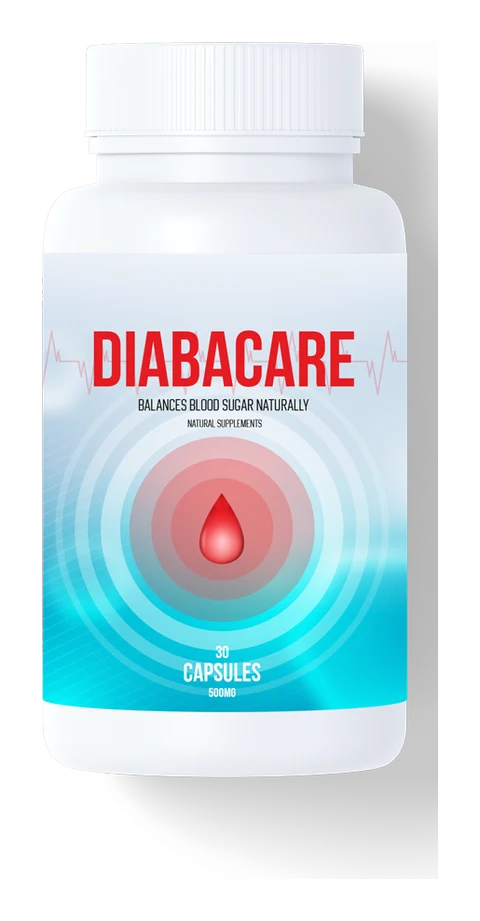
Supplements sit alongside food, movement and sleep, never in place of them. Some people choose a plant-extract capsule formula to support their routine, such as Diabacare, which the seller presents as support for healthy blood sugar balance as part of a balanced lifestyle.
If you are on medicine for blood sugar, blood pressure or cholesterol, check with your GP or pharmacist before starting anything new, and keep taking what you have been prescribed.
When should I speak to my GP?
Book a visit if you have several of the signs above, a close relative with type 2 diabetes, or a waist measurement that has crept up. Early conversations give you the widest range of options.
Go sooner if you notice constant thirst, frequent urination, blurred vision or wounds that are slow to close up, since these can point to blood sugar that is already high.
Frequently asked questions
What are the first signs of insulin resistance?
Often there are none. When signs appear, they usually include extra weight around the waist, darkened skin folds on the neck or underarms, skin tags and an energy dip after starchy meals.
Is insulin resistance the same as diabetes?
No. Insulin resistance is a reduced response to insulin that can come before type 2 diabetes. Diabetes is diagnosed once blood sugar readings pass commonly used thresholds on repeat tests.
Can you have insulin resistance and a normal blood sugar?
Yes. The pancreas can make extra insulin to keep blood sugar normal for years, so a standard glucose reading may look fine while insulin resistance is still present.
Can lifestyle changes improve insulin resistance?
Regular movement, better sleep, more fibre and a healthier waist measurement are the changes doctors most often recommend, and many people find they help their body respond better to insulin.
Which tests should I ask my GP about?
Ask about a fasting glucose and an HbA1c, plus cholesterol, triglycerides and blood pressure. Your GP decides whether anything further is needed.
Are pap and samp bad for insulin resistance?
No food is off limits for everyone. Portion size and pairing matter, so enjoy pap or samp with beans, vegetables such as morogo and a modest serving of protein.