Hair care for afro-textured and curly hair: a practical South African guide
Afro-textured and curly hair is beautiful, strong in character and naturally prone to dryness, which is why moisture, gentle handling and low-tension styling matter more than any single product. This guide covers the habits that keep coily hair comfortable, how to protect your edges, what to eat, and when thinning is a reason to see a GP or dermatologist.

Key takeaways
- Coily and curly hair dries out more easily, so regular moisture and sealing are the base of any routine.
- Detangle gently, in sections, with a wide-tooth comb and plenty of slip.
- Tight braids, weaves and ponytails can pull on the hairline, so keep styles comfortable.
- Protein, iron, zinc and vitamin D from food all feed healthy hair.
- Sudden loss, bald patches or a painful scalp deserve a visit to a GP or dermatologist.
Why does afro-textured hair dry out so easily?
Coily and tightly curled strands twist and bend along their length, so the natural oils made at the scalp travel down the hair slowly and unevenly. The ends often get the least, and dry ends are more likely to snap when handled.
That is why moisture is the first thing to build into your routine. Dry Highveld winters, air-conditioning, sun and salty sea air in Durban or Cape Town all add to the challenge.
What does a simple moisture routine look like?
A straightforward routine works better than a crowded shelf. Wash with a gentle shampoo, follow with a conditioner left on for a few minutes, and apply a leave-in product to damp hair.
Seal the moisture with a light oil or butter, working from the ends upward. Many people wash every one to two weeks, and adjust to how their scalp feels, the weather and the style they wear.
- Cleanse with a gentle, sulphate-free shampoo and focus on the scalp.
- Condition from mid-length to ends and leave it on for a few minutes.
- Apply a water-based leave-in to damp hair, then seal with an oil or butter.
- Do a deep conditioning treatment every couple of weeks if your hair feels dry.
- Re-moisten with a spritz of water and a light product between wash days.
How should I detangle curly or coily hair gently?
Detangle when your hair is damp and coated in conditioner, never when it is dry. Work in four to six sections, start at the ends and move slowly upward, using fingers first and then a wide-tooth comb.
Patience pays off. Rushing through knots is the quickest way to cause breakage, and a few minutes extra on wash day saves strands all week.
Do braids, weaves and tight ponytails damage hair?
Protective styles can be lovely and practical, but they work best when they sit comfortably. Constant pulling on the hairline, called traction, can thin the edges over time, particularly when styles are very tight or worn for long stretches.
A style should never be painful. If you feel stinging, bumps or a headache after installation, it is too tight, and it is worth asking your stylist to loosen or redo it.
- Choose lighter, looser braids and avoid heavy extensions at the hairline.
- Vary where you part and tie your hair so one spot does not carry all the tension.
- Give your hair a break between installations and moisturise before and after.
- Take down braids and weaves on schedule rather than leaving them for months.
- Limit tight high ponytails, buns and slicked-back styles on consecutive days.
How can I limit damage from heat and chemical treatments?
Flat irons, blow dryers and curling tongs all dry the hair, and the effect builds over time. Use a heat protectant, keep the temperature as low as works for you and avoid going over the same section repeatedly.
Relaxers, colour and bleach are chemical processes that change the structure of the hair. Space them out, stretch the time between touch-ups where you can and ask a trained stylist about doing a strand test and keeping the product off your scalp.
Why does scalp care matter for hair health?
Every strand grows from a follicle in the scalp, so a clean, comfortable scalp is the foundation. Product build-up, dryness and flaking can leave it itchy or tight.
Cleanse the scalp regularly, massage it gently with the pads of your fingers while washing and go easy on heavy greases. If you notice persistent itching, flaking, redness or soreness, ask a pharmacist or GP, because several common scalp conditions need specific care.
How do I protect my hair while I sleep?
Cotton pillowcases soak up moisture and create friction that roughens the hair. A satin or silk bonnet, scarf or pillowcase helps your hair keep its moisture overnight and reduces tangling.
Loosely twisted or braided hair under the bonnet keeps strands together. Check that the band is soft and does not squeeze your hairline.
Which nutrients feed healthy hair?
Hair is made mostly of keratin, a protein, so enough protein in your meals matters. Iron, zinc and vitamin D also play their part: zinc and biotin contribute to the maintenance of normal hair, and iron is needed for normal cell division.
You can find these in everyday South African food. Eggs, fish such as pilchards and sardines, lean meat, chicken, beans, lentils, dairy, pumpkin seeds, nuts and leafy greens like morogo and spinach all have a role.
| Nutrient | Everyday food sources | Why it appears in hair talk |
|---|---|---|
| Protein | Eggs, fish, chicken, lean meat, beans, dairy | Hair is made mostly of keratin, a protein |
| Iron | Red meat, liver, lentils, spinach, fortified cereals | Contributes to normal cell division |
| Zinc | Meat, seeds, beans, nuts | Contributes to the maintenance of normal hair |
| Biotin | Eggs, nuts, seeds, whole grains | Contributes to the maintenance of normal hair |
| Vitamin D | Oily fish, eggs, sunlight on skin | Contributes to the normal function of the immune system |
Where do hair supplements fit in?
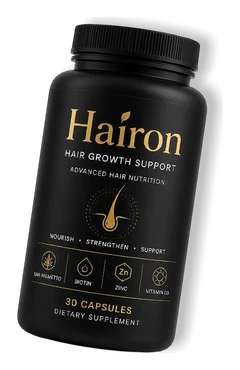
A hair supplement is an optional extra on top of food, care and gentle styling. Hairon is one example: a capsule supplement combining saw palmetto extract, biotin, zinc, vitamin D3, vitamin E and folic acid, which the seller presents as support for healthy hair growth for men and women from 35.
The directions are one capsule a day after a meal with a glass of water, and the pack carries the full list with amounts. Hair grows slowly, so people who use a product tend to follow it for a few months.
When should thinning hair be checked by a GP or dermatologist?
Gentle thinning along the edges or crown is common and often relates to styling habits, but some signs call for a professional look. Book a visit if you notice sudden or heavy shedding, bald patches, a scalp that is painful, scaly, red or swollen, or hair loss after illness, pregnancy or a new medicine.
A GP can check for causes such as low iron, thyroid problems or hormonal changes, and refer you to a dermatologist if needed. Early attention gives you the most options, so do not wait it out.
Frequently asked questions
How often should I wash afro-textured hair?
Many people wash every one to two weeks and adjust to how their scalp feels, their activity and the style they wear. Keep the scalp clean and refresh moisture between washes.
What are the best protective styles for hair growth?
Styles that sit comfortably and keep your ends tucked away, such as loose braids, twists or a low bun, work well. Avoid tension at the hairline and give your hair a break between installations.
Why is my hairline thinning from braids or weaves?
Constant pulling, known as traction, can thin the edges over time. Loosen or remove painful styles and speak to a GP or dermatologist if the thinning continues.
Do I need a satin bonnet or pillowcase?
It helps. Satin and silk reduce friction and keep moisture in the hair, while cotton pillowcases tend to absorb it. A soft, loose bonnet is a low-cost habit that many people stick with.
Which foods are good for hair?
Protein-rich foods such as eggs, fish, chicken and beans, together with iron, zinc and vitamin D from meat, seeds, leafy greens and oily fish. A varied plate does more for your hair than any single food.
Can I take a hair supplement and a multivitamin together?
Check the labels, because zinc, biotin and vitamin D often appear in both. Ask your pharmacist before combining them, and do not exceed the amounts on the packs.
How long before I see a difference in my hair?
Hair grows slowly, around a centimetre a month for many people, so changes in routine take months to show. Follow your routine consistently and take photos in the same light.
When should I see a doctor about hair loss?
See a GP or dermatologist for sudden shedding, bald patches, a painful or scaly scalp, or hair loss after illness or pregnancy. These signs need a proper check.